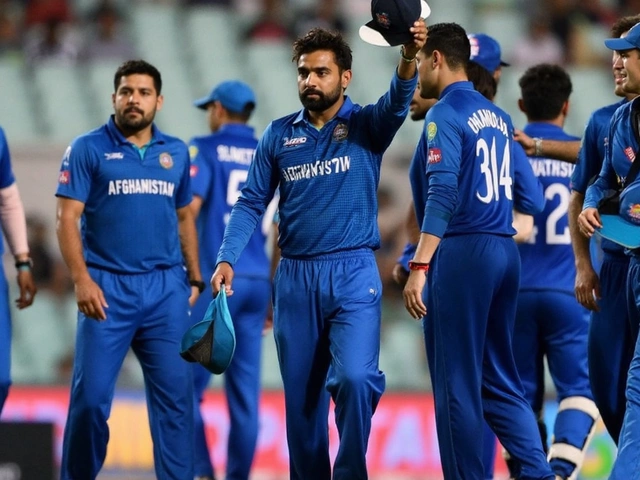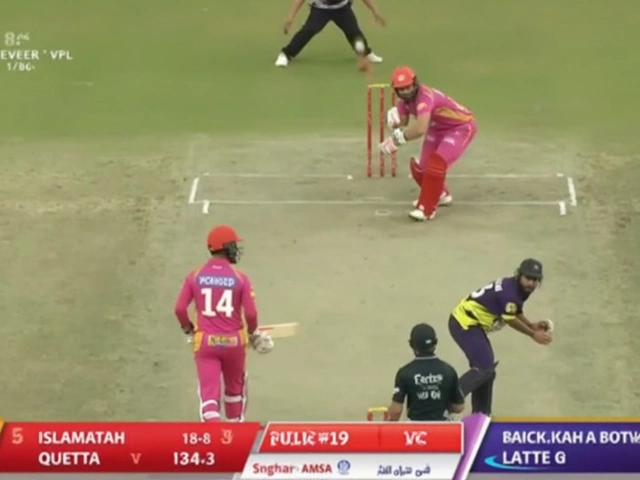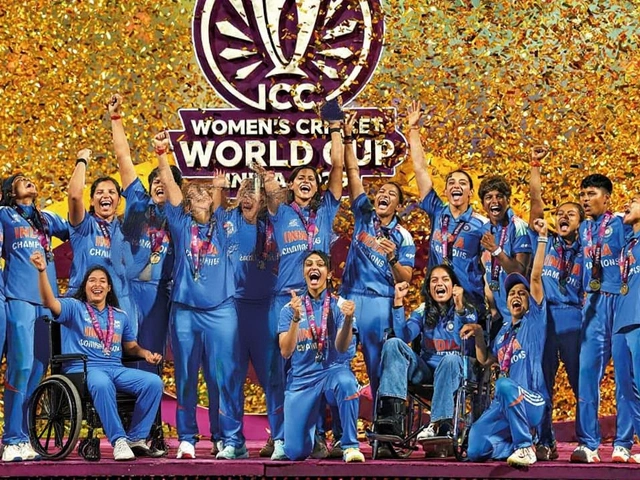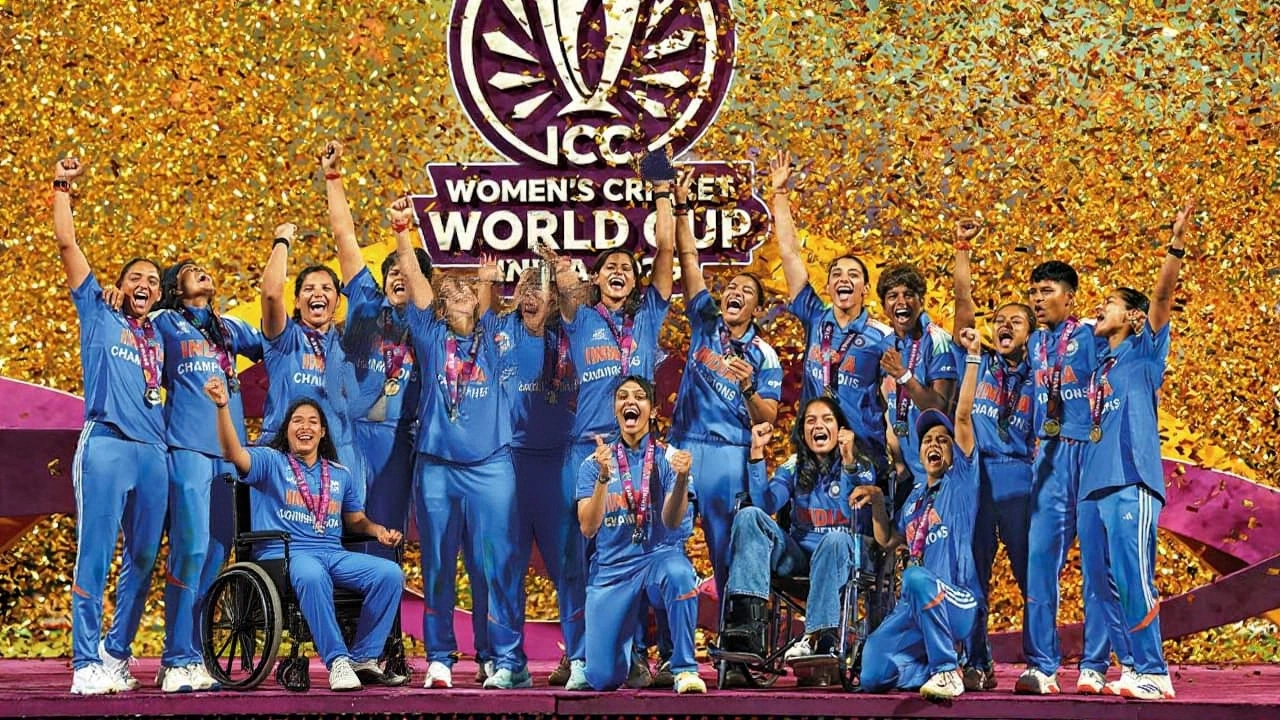
When International Cricket Council announced a record-breaking prize pool for the upcoming women’s tournament on April 13, 2026, it sent shockwaves through the sporting world—not just because of the amount, but what it signifies for gender equity in sports. The governing body confirmed that the total purse for the ICC Women's T20 World Cup 2026England and Wales has been increased by 10% from the previous edition, reaching an impressive $8,764,615.
Here’s the thing: this isn’t just a bump in numbers. It’s a statement. For years, critics have pointed out the disparity between men’s and women’s cricket payouts. While progress has been steady, this latest move brings the women’s global stage closer to parity with domestic giants like India’s IPL. The winning team will now take home $2,340,000—a figure that actually exceeds the prize money awarded to the winner of the Indian Premier League when converted to local currency.
A New Benchmark in Women’s Cricket
The details are still settling in, but the impact is immediate. Last year’s tournament offered a total prize fund of $7,958,077. This time around, every participating nation stands to gain more. Even teams eliminated in the group stages receive a guaranteed minimum of $247,500 per side. That’s roughly ₹2.06 crore—money that goes directly into player salaries, training facilities, and grassroots development back home.
But wait—the real headline-grabber? The champion’s share. At $2.34 million (approximately ₹21.8 crore), the top spot commands nearly half the entire pot. Compare that to the runner-up’s $1,170,000 (around ₹10.9 crore) or the semi-finalists’ $675,000 each (about ₹6.29 crore). Every step up the ladder comes with significantly higher rewards.
And if your team survives the group stage? Each victory earns you $31,154. Over five matches, that adds up fast—especially for smaller nations where international exposure can mean life-changing opportunities for players who’ve long played without financial security.
Why This Matters Beyond the Numbers
Turns out, this increase aligns perfectly with broader trends across professional sports. From soccer to tennis, organizations worldwide are recognizing that investing in women’s leagues pays off—in viewership, sponsorship deals, and fan engagement. Cricket is no exception.
Interestingly, the decision wasn’t made in isolation. It follows successful campaigns led by players themselves demanding better compensation and visibility. Remember how Australia’s stars pushed for equal pay ahead of their bilateral series against England? Or how South Africa’s women demanded recognition after dominating Test cricket for months on end? These movements created momentum—and now, institutional backing.
Experts say this shift could attract new talent globally. “We’re seeing younger girls pick up bats earlier,” says one coach based in Bangladesh. “They know there’s a path forward. There’s dignity in being paid fairly.”
Tournament Format Gets a Major Upgrade Too
This isn’t just about cash—it’s also scale. For the first time ever, twelve teams will compete instead of ten. Two groups of six will play round-robin fixtures before the top two from each advance to the semifinals. More games mean more drama, more chances for underdogs to shine, and yes—more revenue sharing among participants.
The schedule runs from June 12 to July 5, 2026, spanning seven venues across England and Wales. Opening match features hosts England taking on Sri Lanka at Edgbaston Stadium in Birmingham. Meanwhile, defending champions India kick off their campaign two days later, facing Pakistan at the same ground.
Finalists will clash at Lord’s Cricket Ground in London—the spiritual home of cricket—on July 5th. Imagine lifting the trophy surrounded by thousands chanting your name beneath those historic pavilions. Chills.
What’s Next for Fans and Players?
If you’re planning to watch, mark your calendars early. Broadcast rights holders expect record audiences given the elevated stakes. Streaming platforms are already preparing special coverage packages aimed at younger demographics who crave authentic storytelling alongside high-stakes action.
For athletes, preparation begins immediately. Training camps ramp up starting May, coinciding with the official Trophy Tour kicking off in Scotland and winding down in London. Expect promotional events, fan meetups, and media appearances designed to build hype leading into June.
Behind the scenes, national boards are scrambling to adjust budgets accordingly. Some may reinvest surplus funds into youth academies; others might use them to retain star players tempted by overseas leagues either way, everyone wins when participation grows.
Historical Context: How Did We Get Here?
Let’s rewind briefly. Just five years ago, many countries didn’t even employ full-time contracts for female cricketers. Today, we’re talking multi-million-dollar tournaments hosted in premier stadiums. What changed?
Social media helped amplify voices previously ignored. Viral moments—like India’s dramatic win over Australia in the 2025 ODI World Cup final—drew millions online. Brands noticed. Sponsors followed. And suddenly, executives realized ignoring women’s cricket meant missing out on massive growth potential.
Also worth noting: ICC itself underwent structural reforms post-2020, prioritizing inclusivity and sustainability. Their recent annual report highlighted increased investment in emerging markets and digital outreach strategies targeting Gen Z audiences—all factors contributing to today’s announcement.
Frequently Asked Questions
How does this affect individual players financially?
While exact distributions vary by country, most federations allocate portions of prize money toward player bonuses, travel expenses, and coaching staff wages. In nations like India and Australia, elite earners might see personal gains exceeding $100,000 depending on performance metrics and contract terms.
Who benefits most from this increase?
Smaller cricketing nations stand to benefit disproportionately. Teams such as Ireland, Scotland, and Netherlands often struggle with funding gaps. A guaranteed payout ensures they can maintain competitive squads without relying solely on sponsorships or government grants.
Is this part of a larger trend in sports?
Absolutely. Similar increases have occurred in football (FIFA Women’s World Cup), basketball (WNBA salary caps rising), and golf (LPGA purses growing rapidly). Sports businesses recognize untapped market value in female athletics.
When will fans know which cities host specific matches?
Full fixture lists including venue assignments drop approximately three months prior to kickoff—likely mid-March 2026. Until then, only opening and closing ceremonies locations remain confirmed.
Will broadcast deals change due to higher stakes?
Yes. Networks anticipate stronger advertising sales driven by enhanced competitiveness and celebrity endorsements tied to bigger prizes. Expect expanded commentary teams, behind-the-scenes documentaries, and interactive second-screen experiences during live broadcasts.
Does this impact selection criteria for national teams?
Indirectly, yes. With greater resources available, selectors may prioritize versatility and consistency over raw skill alone. Coaches emphasize fitness regimens capable of sustaining intensity throughout extended tournaments rather than short bursts.